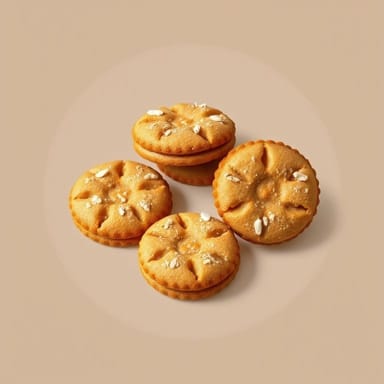
ANZAC biscuits are more than just a popular snack in Australia and New Zealand they are a symbol of national pride, wartime history, and enduring tradition. These golden, chewy or crunchy oat-based biscuits carry a legacy that dates back to the early 20th century. Loved for their simple ingredients and long shelf life, ANZAC biscuits have become a staple in households and a fixture during commemorative events such as ANZAC Day. But behind their comforting flavor lies a deeper, historical significance that connects generations across time and geography.
Origins During World War I
The history of ANZAC biscuits begins during World War I, specifically around the time of the Gallipoli campaign in 1915. ANZAC stands for the Australian and New Zealand Army Corps, a joint military force that participated in several key operations during the war. With soldiers stationed far from home, families and charitable organizations sought ways to send nourishing food that could survive long sea journeys without spoiling. The result was the creation of what would later be called ANZAC biscuits.
Why ANZAC Biscuits Were Ideal for Soldiers
The ingredients used in ANZAC biscuits were chosen for their availability and ability to last without refrigeration. They include:
- Rolled oats
- Flour
- Sugar
- Golden syrup or treacle
- Butter
- Baking soda
- Boiling water
Importantly, the recipe did not call for eggs. During wartime, eggs were scarce and expensive, and omitting them also helped the biscuits stay fresher for longer. These features made the ANZAC biscuit a practical choice for shipping across long distances to troops on the front lines.
From Home Kitchens to the War Front
ANZAC biscuits were often baked by women’s groups and patriotic organizations back home. Volunteers packaged the biscuits in airtight tins and sent them overseas to soldiers in Europe and the Middle East. For many troops, receiving these parcels was a comforting reminder of home, providing both nourishment and emotional support during harsh and uncertain times.
These efforts were part of broader home-front activities in both Australia and New Zealand, where women took on vital roles in supporting the war through fundraising, nursing, and manufacturing supplies. The ANZAC biscuit became a symbol of this collective contribution, bridging the gap between the battlefield and domestic life.
Not the Same as ‘Hardtack’
It’s important to distinguish ANZAC biscuits from a different wartime ration called ‘hardtack,’ which was a much harder and less palatable food made from flour and water. While hardtack was part of soldiers’ daily rations, the sweeter, tastier ANZAC biscuits were care packages from loved ones and offered a brief moment of indulgence amid the hardships of war.
Evolution and Enduring Popularity
After World War I ended, the popularity of ANZAC biscuits did not fade. Instead, they became embedded in the culinary traditions of both Australia and New Zealand. The recipe began appearing in cookbooks throughout the 1920s and 1930s, solidifying its place as a home-baking favorite. Over the decades, the recipe has seen minor variations, but the core ingredients have remained consistent, preserving the essence of its origins.
Texture: Crunchy or Chewy?
One of the most common debates surrounding ANZAC biscuits is whether they should be crunchy or chewy. The traditional recipe allows for both, depending on how long the biscuits are baked. A longer bake results in a crispier texture, while a shorter bake keeps them soft and chewy in the middle. This versatility has allowed for personal preferences and regional variations to emerge, adding to the biscuit’s charm and appeal.
Legal Protection and Cultural Respect
Because of their cultural significance, the term ANZAC is legally protected under Australian and New Zealand law. This means that products labeled as ANZAC biscuits must adhere to traditional recipes and cannot be used for commercial gain without permission. For example, calling a product ANZAC cookies or altering the ingredients significantly can be seen as disrespectful or even illegal in certain contexts.
This protection ensures that the legacy of ANZAC biscuits remains intact and honors the memory of those who served during wartime. It is a rare example of a food item being treated with a level of reverence more commonly associated with national symbols or historical monuments.
Modern-Day Significance
Today, ANZAC biscuits are closely associated with ANZAC Day, observed annually on April 25. This national day of remembrance in Australia and New Zealand honors the members of the armed forces who served and died in wars, conflicts, and peacekeeping operations. On this day, it’s common to see ANZAC biscuits baked at home, sold at fundraising events, or offered in schools and community centers as part of commemorative activities.
Not Just for April
While ANZAC Day highlights the emotional connection people feel to these biscuits, their appeal stretches far beyond a single day. Many families bake ANZAC biscuits year-round, especially because they’re easy to prepare and store well. They also make for a thoughtful homemade gift, reinforcing the tradition of giving and care that defined their origin.
Variations and Creative Twists
Though the traditional recipe remains popular, modern bakers have introduced several variations on the ANZAC biscuit to suit contemporary tastes and dietary needs.
- Gluten-Free: Using gluten-free oats and flour for those with dietary restrictions.
- Vegan: Replacing butter with plant-based alternatives while keeping the structure of the biscuit intact.
- Chocolate-Dipped: Adding a coating of dark or milk chocolate for a richer treat.
- Spiced: Infusing the dough with cinnamon, nutmeg, or ginger for added flavor depth.
Despite these creative takes, the core values of simplicity, durability, and heartfelt connection remain at the center of every ANZAC biscuit recipe.
A Sweet Legacy of Unity and Sacrifice
What makes ANZAC biscuits truly special is the story they tell a story of love, resilience, and national identity. They began as a solution to a practical problem during wartime and have grown into a lasting tradition that unites people across generations. Every bite offers a connection to history, and each baking session is a quiet act of remembrance and respect.
In both Australia and New Zealand, the ANZAC biscuit continues to hold a cherished place in the kitchen and in the heart. It reminds people of the power of community, the strength of those who served, and the importance of never forgetting. Whether shared on ANZAC Day or during a casual afternoon tea, these humble oat biscuits are a sweet symbol of unity and sacrifice that endures to this day.