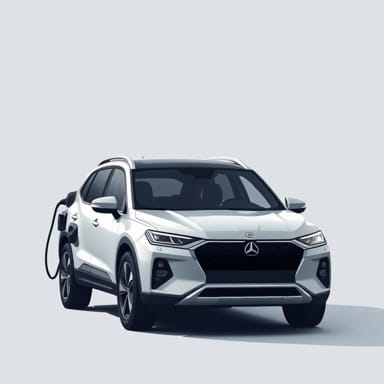
Plug-in hybrid SUVs are changing the landscape of modern transportation by offering a smart balance between electric driving and traditional fuel reliability. These vehicles combine the benefits of electric motors with the extended range and flexibility of internal combustion engines, making them a top choice for drivers who want to reduce emissions without compromising power, space, or driving distance. As environmental awareness grows and fuel prices remain unpredictable, plug-in hybrid SUVs provide an attractive alternative for families, commuters, and adventurers alike.
Understanding Plug-in Hybrid Technology
How Plug-in Hybrids Work
A plug-in hybrid SUV, or PHEV (Plug-in Hybrid Electric Vehicle), uses both an electric motor and a gasoline engine. Unlike standard hybrids, plug-in hybrids can be recharged through an external power source. The electric battery powers the vehicle for a certain range usually between 20 to 50 miles before the gas engine takes over or supplements the drive. This dual system reduces fuel consumption and emissions, especially for city drivers who can rely mostly on electric power during daily commutes.
Components of a PHEV
- Electric motor: Provides instant torque and silent operation for low-speed or short-distance driving.
- Gasoline engine: Acts as a backup or additional power source for longer trips or highway driving.
- Battery pack: Larger than a traditional hybrid’s battery, allowing for more all-electric miles.
- Charging port: Enables recharging from a home outlet or public charging station.
Advantages of Plug-in Hybrid SUVs
Fuel Efficiency
One of the biggest benefits of owning a plug-in hybrid SUV is its ability to operate entirely on electric power for short trips. Many drivers find they use little to no gasoline during the week, especially if they have access to a charging station at home or work. This can significantly reduce fuel expenses and dependency on fossil fuels.
Lower Emissions
Plug-in hybrids produce fewer tailpipe emissions than conventional gas-powered SUVs. When driven on electricity, they emit zero local pollutants. Even when the gasoline engine kicks in, PHEVs are generally cleaner due to more efficient engine designs and smarter energy management systems.
Versatility and Range
Unlike full electric vehicles (EVs), plug-in hybrid SUVs are not limited by charging infrastructure. If the battery runs out, the gasoline engine provides continued mobility, making PHEVs ideal for longer road trips or areas with limited access to charging stations.
Government Incentives
In many countries, purchasing a plug-in hybrid SUV qualifies buyers for government tax credits, rebates, or other incentives. These financial benefits can make PHEVs more affordable and appealing, especially when paired with lower operating costs over time.
Popular Plug-in Hybrid SUV Models
Toyota RAV4 Prime
This popular compact SUV offers a robust electric range of around 42 miles and impressive total system horsepower. The RAV4 Prime is praised for its reliability, comfort, and advanced safety features, making it a favorite among families and eco-conscious drivers.
Mitsubishi Outlander PHEV
As one of the first plug-in hybrid SUVs to hit the market, the Outlander PHEV continues to stand out with its all-wheel drive, spacious interior, and dependable electric range. It’s a strong option for those who need utility and fuel savings in one package.
Ford Escape Plug-In Hybrid
Ford’s Escape PHEV blends efficiency with user-friendly technology. It offers up to 37 miles of electric range and features a smooth transition between electric and gas power. The Escape is a smart choice for daily commutes and weekend getaways.
Hyundai Tucson Plug-In Hybrid
This modern SUV combines stylish design with advanced hybrid engineering. With a balanced blend of performance and fuel economy, the Tucson Plug-In Hybrid is ideal for those who want a comfortable ride with eco-friendly benefits.
Charging Your Plug-in Hybrid SUV
Home Charging
Most PHEV owners charge their vehicles at home using either a standard 120V outlet or a faster 240V Level 2 charger. While Level 1 charging may take up to 12 hours, Level 2 can fully charge a battery in just 2 to 4 hours. Installing a Level 2 home charger is a worthwhile investment for regular PHEV drivers.
Public Charging Stations
Charging infrastructure is expanding rapidly, and many cities now offer public charging stations in parking lots, shopping centers, and workplaces. Plug-in hybrids use common connectors, making them compatible with most standard Level 2 chargers.
Charging Times and Efficiency
Charging times vary depending on battery size and power source. Efficient use of charging schedules, such as charging overnight or during off-peak electricity hours, can help reduce energy costs and environmental impact.
Things to Consider Before Buying a Plug-in Hybrid SUV
Driving Habits
Plug-in hybrids offer the most benefits to drivers who make frequent short trips and have easy access to charging. If your daily commute falls within the vehicle’s electric range, you could potentially drive for weeks without using gasoline.
Climate Impact
Extreme cold or hot weather can affect battery performance and electric range. However, many PHEVs are equipped with battery heating or cooling systems to manage this issue. Understanding how climate impacts fuel economy can help you make the best decision.
Upfront Cost vs Long-term Savings
Plug-in hybrid SUVs may have a higher initial purchase price than traditional gas models, but fuel savings, tax incentives, and lower maintenance costs can balance this out over time. Comparing total cost of ownership is key when deciding if a PHEV is right for you.
The Future of Plug-in Hybrid SUVs
Transition to Full Electrification
Many automotive experts view plug-in hybrids as a transitional technology, bridging the gap between gasoline and fully electric vehicles. As battery technology and charging infrastructure improve, we may see PHEVs gradually replaced by long-range EVs. However, for now, they offer a practical solution for those not ready to go fully electric.
Growing Market Demand
With increasing demand for sustainable transportation, more manufacturers are entering the plug-in hybrid SUV market. This competition drives innovation and affordability, offering consumers more choices and better value over time.
Technological Advancements
Expect future plug-in hybrid SUVs to feature improved battery life, faster charging, smarter energy management, and better connectivity with mobile devices and smart homes. These innovations will further enhance convenience and environmental performance.
Plug-in hybrid SUVs offer a compelling blend of electric efficiency and gasoline flexibility, making them a smart choice for modern drivers. With benefits like fuel savings, lower emissions, and impressive performance, PHEVs are an ideal middle ground between traditional vehicles and full EVs. As more models hit the market and charging infrastructure expands, plug-in hybrid SUVs are poised to become a mainstream choice for eco-friendly, versatile transportation. Whether you’re navigating city streets or planning a cross-country road trip, a plug-in hybrid SUV delivers the performance and sustainability you need without compromise.