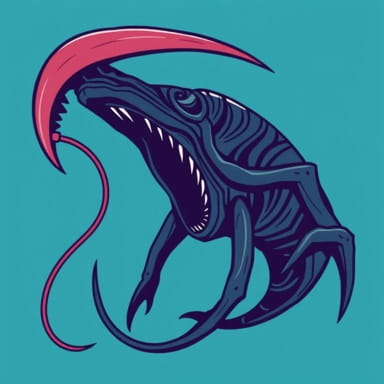
There’s a moment in Subnautica that players don’t forget the sudden, terrifying encounter when a Reaper Leviathan grabs the Seamoth. This isn’t just a random in-game event. It’s a chilling reminder of the dangers lurking in the deep ocean and the unpredictability of survival in an alien underwater world. The Reaper Leviathan, one of the most aggressive and iconic predators in the game, can grab the player’s submersible vehicle, the Seamoth, and rip it apart in seconds. This interaction is more than just a jump scare; it’s a core gameplay experience that blends survival horror, resource management, and exploration mechanics into one unforgettable moment.
The Reaper Leviathan: A Terrifying Apex Predator
What Is the Reaper Leviathan?
The Reaper Leviathan is among the most feared creatures in Subnautica. It is a large, highly aggressive predator that inhabits several biomes, including the Dunes, Mountains, and the edges of the Aurora wreck. Its long, eel-like body and haunting roar make it easily recognizable and extremely intimidating. The creature is about 55 meters long, with massive mandibles that it uses to grab and damage vehicles, including the Seamoth.
Behavior and Territory
Reaper Leviathans are territorial and will attack the player on sight. Unlike many other creatures in Subnautica, they actively seek out and destroy anything that enters their domain. If you approach their area in a Seamoth, you’re almost guaranteed an encounter. Their AI is designed to pursue aggressively, making it difficult to simply outrun them once spotted.
- Roars loudly when aggroed, giving a short warning
- Can detect vehicles and players from a considerable distance
- Typically found near wrecks or biome boundaries
The Seamoth: Your Trusty Submersible
What Is the Seamoth?
The Seamoth is a small, fast, single-occupant submersible vehicle used for mid-level exploration. It’s one of the first significant upgrades available in the game, allowing players to explore deeper biomes with protection from pressure and predators at least to a point. The Seamoth is customizable with depth modules, perimeter defense systems, and hull reinforcements. Despite its utility, it remains vulnerable to Leviathan-class threats.
Strengths and Weaknesses
While the Seamoth is agile and faster than most large predators, it has very limited durability. A direct encounter with a Reaper Leviathan can destroy the vehicle in seconds. Even with full upgrades, the Seamoth isn’t built for combat. It’s meant for exploration, not confrontation. Avoiding contact is usually the best option.
- Max speed allows for quick escapes if you spot danger early
- Defense perimeter upgrade can repel aggressive creatures
- Reinforcement module slightly improves survivability
When the Reaper Grabs the Seamoth
The Grab Animation Explained
When a Reaper Leviathan grabs the Seamoth, it initiates a gripping animation where the creature lunges at the vehicle, clasps it with its jaws, and violently shakes it. The entire sequence is fast, often giving the player little time to react. If you’re inside the Seamoth during the attack, you’ll see the screen shake and red warnings flashing often followed by complete destruction if you don’t act quickly or escape.
What Happens to the Player?
If the Seamoth is grabbed, and the player remains inside, they may be ejected during the animation, leaving them in open water usually in immediate danger. The Reaper may continue to pursue, and without the protection of the vehicle, the player becomes extremely vulnerable. Even with a reinforced dive suit and health kits, survival is not guaranteed.
Damage Mechanics
The attack causes significant structural damage to the Seamoth. If the vehicle is not reinforced or already damaged, a single grab can reduce it to scrap. This not only leaves the player stranded but also results in the permanent loss of valuable upgrades installed on the Seamoth, unless recovered from the wreckage.
Strategies for Avoiding or Surviving a Grab
Recognize the Signs
The roar of the Reaper Leviathan is the first clue. When exploring near its territory, pay attention to ambient sounds. If you hear a deep roar, turn around or ascend to a safer depth. Also watch for movement in the distance Reapers are large enough to spot even in murky water.
Equip Defensive Modules
Installing the Seamoth Perimeter Defense System is one of the best ways to deter a Reaper Leviathan. If the creature grabs your vehicle, activating the system can force it to release the Seamoth before total destruction. Timing is critical; activate the defense as soon as you’re grabbed or hear the roar close by.
Stay Low and Fast
When crossing areas known to be patrolled by Reapers, stay close to the ocean floor and use terrain to block line of sight. Moving in short, fast bursts reduces the chance of being detected. If you’re being chased, use the Seamoth’s speed to ascend sharply or dart into narrow areas where the Leviathan can’t follow easily.
Save Often
In hardcore or survival modes, saving frequently before entering dangerous biomes can make a huge difference. If your Seamoth is destroyed, you may lose hours of progress or valuable upgrades. A recent save allows you to retry with a different approach or better preparation.
Psychological Impact and Immersion
Fear and Tension
The interaction of a Reaper Leviathan grabbing a Seamoth is not just mechanical it’s deeply emotional. Many players report intense anxiety, fear, or even panic during these moments. This reaction is intentional. Subnautica blends horror elements with exploration, and the Reaper encounter encapsulates that tension perfectly.
Unforgettable Game Moments
Few events in gaming are as memorable as the first time a Reaper grabs your Seamoth. It’s a sudden loss of control, a test of your reflexes, and a moment that stays in your memory long after the game is over. For many players, it marks the transition from cautious exploration to full survival mode.
The terrifying experience of a Reaper Leviathan grabbing the Seamoth is one of the defining encounters in Subnautica. It’s a moment that blends surprise, horror, and helplessness, all within the fluid mechanics of underwater survival gameplay. While it may be avoidable with careful planning and proper upgrades, the first time it happens is usually a painful and unforgettable lesson. For players seeking immersion, tension, and the thrill of surviving the unknown, few in-game experiences compare to this deadly underwater encounter.