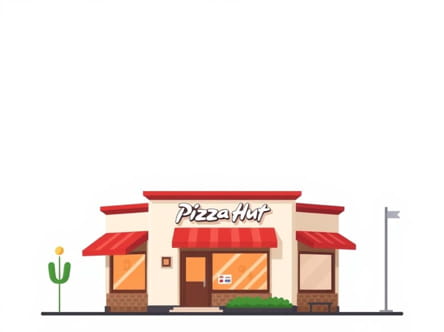
If you’ve ever driven past an oddly-shaped brick building with trapezoid windows, a distinctive red roof, and a lingering sense of nostalgia, you might have whispered to yourself: This was a Pizza Hut. These iconic structures, once home to the beloved family pizza chain, have become relics scattered across towns and cities. Though they may now house tax services, pawn shops, or local diners, their unmistakable design makes them instantly recognizable. The phrase ‘this was a Pizza Hut’ has taken on cultural meaning, symbolizing both the evolution of the restaurant industry and a nostalgic longing for a time when dining out was a simple family affair.
The Rise of Pizza Hut’s Iconic Architecture
Designing a Brand You Could See from a Distance
Pizza Hut began in 1958 in Wichita, Kansas. By the 1970s and 1980s, the company was expanding rapidly across America. Part of what made Pizza Hut stand out was its commitment to brand visibility. The company designed its restaurants with a very specific architectural style brick walls, small deep-set windows, and the famous red, hut-shaped roof. These buildings weren’t just functional; they were marketing tools. Whether you were on a road trip or just running errands, you could easily spot a Pizza Hut from a distance.
This distinctive design was more than aesthetic. It created a uniform brand identity and made each location feel familiar, no matter where in the country you were. Pizza Hut wasn’t just selling pizza; it was selling an experience. The dine-in model, complete with red plastic cups, tabletop jukeboxes, and checkerboard tablecloths, became part of American pop culture.
From Dine-In Delight to Takeout Trend
Changing Consumer Preferences
As consumer habits shifted in the late 1990s and early 2000s, Pizza Hut began to adapt. The rise of fast-casual dining, increased demand for delivery, and the decline of dine-in experiences meant that the traditional Pizza Hut model was becoming outdated. People were no longer spending long meals inside restaurants; they were ordering online and eating at home.
This shift led to Pizza Hut focusing more on delivery and carryout. New locations were smaller, without dining areas, and strategically placed for quick service. The need for large, brick-and-mortar dine-in restaurants diminished, and many of the old buildings were sold off, closed, or repurposed.
What Happened to the Old Buildings?
The architecture of the original Pizza Hut buildings was so specific that even after they were sold, they retained the essence of their former identity. Many of them were turned into other businesses, but the design was rarely changed drastically. The red roof might have been painted over, and new signage added, but the bones of the building remained the same. That’s why it’s so easy to look at one of these buildings and instantly say, this was a Pizza Hut.
- A Pizza Hut building turned into a Chinese buffet.
- One converted into a dental clinic.
- Another became a payday loan store.
- In some cases, even churches have moved into former Pizza Hut locations.
These repurposed buildings offer a strange kind of architectural déjà vu. People recognize the shell, even when the contents have changed completely.
The Cultural Meme of ‘This Was A Pizza Hut’
The Internet’s Role in Popularizing the Phrase
With the rise of social media, especially platforms like Reddit and Instagram, the phrase ‘This Was A Pizza Hut’ became a meme and a nostalgic cultural reference. People began posting photos of the reused buildings with captions calling out their unmistakable past. It became a way to acknowledge shared memories family pizza nights, Book It! coupons, and that familiar red roof overhead.
The phrase taps into a broader trend of abandoned or reused commercial spaces. Just like people say this used to be a Blockbuster or this was a Toys R Us, the phrase ‘this was a Pizza Hut’ reflects on how once-ubiquitous brands fade into the background but remain etched in our collective memory.
Nostalgia as a Marketing Tool
Interestingly, nostalgia has become a powerful marketing strategy. Some Pizza Hut locations have embraced retro themes in their newer restaurants, mimicking the design of the original huts. Limited-time menus featuring old favorites have also made a comeback. The idea is simple: people want to relive those positive memories from their youth, and Pizza Hut still holds a place in that emotional space.
The Architecture That Refuses to Disappear
Why the Design Is So Recognizable
Architectural identity plays a significant role in brand recognition. The original Pizza Hut design was not only functional but visually unique. The red roof, low-pitched gables, and wide façade became as recognizable as the company’s logo. Because of this, even decades later, it’s easy for passersby to identify these buildings, regardless of their current function.
Some people even go out of their way to document these ghosts of fast food past, photographing and cataloging former Pizza Hut locations. These photos serve as a form of cultural preservation, celebrating a piece of Americana that still resonates with many.
Adaptive Reuse and Urban History
Repurposing old commercial buildings isn’t just practical it’s also environmentally friendly. Instead of demolishing old structures, many communities find ways to reuse them. Though it might be odd to get your teeth cleaned in a former Pizza Hut, the building’s reuse represents a broader trend of sustainability and economic adaptation.
In this way, the phrase ‘this was a Pizza Hut’ isn’t just about fast food; it’s about how architecture evolves with the needs of society. These buildings may no longer serve pizza, but they continue to serve their communities in new and creative ways.
A Symbol of Change and Memory
The story behind this was a Pizza Hut goes deeper than pizza. It’s about how businesses change with time, how buildings live many lives, and how memories stay even when the original purpose fades. For many, driving by an old Pizza Hut building sparks feelings of nostalgia, humor, and even a little sadness. But it also reflects resilience and the ability of places to transform and remain relevant in new ways.
In an ever-evolving landscape of commercial development, these buildings remind us of the brands that once defined our daily lives. While new trends come and go, the architecture of the past still lingers, telling silent stories to those who know how to look and listen. So the next time you pass by a familiar red-roofed structure now selling electronics or tax help, you might just smile and think, this was a Pizza Hut.