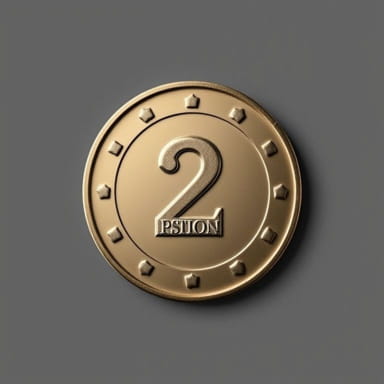
The Tercentenary £2 coin is one of the notable commemorative coins released by the Royal Mint to mark significant milestones in British history. Issued in 1988, this coin celebrated the 300th anniversary of the Glorious Revolution of 1688, a pivotal event that shaped the future of the British monarchy and its constitutional framework. Collectors, historians, and numismatics enthusiasts alike have shown sustained interest in this particular £2 coin due to its historical relevance, limited mintage, and unique design. Over the years, it has become a significant part of UK coinage heritage and remains popular in the collectors’ market today.
Historical Significance of the Tercentenary £2 Coin
The Glorious Revolution of 1688
The Tercentenary £2 coin was minted to commemorate the Glorious Revolution, which took place in 1688. This revolution saw the overthrow of King James II in favor of William III and Mary II, an event that established parliamentary sovereignty over absolute monarchy in Britain. This bloodless transition of power became one of the most defining moments in British constitutional history, influencing governance principles that continue to shape the nation today.
The coin not only acknowledges this crucial period in history but also pays tribute to the broader impact of the revolution on democracy, religious freedom, and civil liberties. It was a fitting choice for a commemorative £2 coin issued by the Royal Mint to celebrate 300 years of constitutional evolution.
Issued by the Royal Mint in 1988
The coin was officially released in 1988 to mark the 300th anniversary. Unlike modern bi-metallic £2 coins that began circulating in 1998, the 1988 Tercentenary coin was minted as a single-metal piece and never released for general circulation. It was issued primarily for collectors and ceremonial purposes, making it a rare item compared to current UK coinage.
Design and Features
Obverse Design
The obverse side of the Tercentenary £2 coin features the well-known portrait of Queen Elizabeth II designed by Raphael Maklouf. This particular portrait was used on British coins from 1985 to 1997 and is instantly recognizable by the Queen’s crowned profile and dignified expression. Surrounding the image is the legend ELIZABETH II DEI·GRATIA·REGINA·F·D and the year of minting 1988.
Reverse Design
The reverse side, which is of primary interest to collectors, was designed by artist John Lobban. It features a beautifully detailed image of the coronation of King William and Queen Mary, symbolizing the power-sharing monarchy that followed the revolution. The Latin inscription TERCENTENARY OF THE GLORIOUS REVOLUTION surrounds the scene, along with the denomination TWO POUNDS.
Metal Composition and Specifications
The 1988 Tercentenary coin was minted in several versions, including:
- Base metal version: Cupro-nickel composition, primarily for collectors.
- Silver Proof: Struck in sterling silver with frosted detailing for higher contrast.
- Gold Proof: A rare and premium edition made of 22-carat gold for elite collectors and investors.
Each version maintained the same diameter of 28.4mm and a weight of 15.98 grams, consistent with £2 coin standards prior to the bi-metallic redesign.
Collector Value and Rarity
Limited Mintage
The Tercentenary £2 coin is particularly valued due to its limited mintage. Unlike circulating coins that are produced in millions, this commemorative issue had a relatively small production run. The base metal coins were sold in presentation packs, while the silver and gold proof editions were issued in limited numbers for numismatic purposes only.
The rarity of the coin depends on the version. While the base metal coins are more accessible, the silver and especially the gold proofs can fetch significant sums on the collectors’ market. Their value depends on factors such as condition, packaging, and market demand.
Market Demand
Collectors often seek the 1988 Tercentenary £2 coin to complete a historical or royal-themed coin collection. Its relevance to British political history, combined with its classic design, makes it a desirable piece. As it was not issued for general circulation, many people are unaware of its existence, which adds to its appeal among more experienced numismatists.
Prices vary widely. A base metal coin in mint condition might sell for a modest amount, while silver proofs in original cases with certificates can command higher values. Gold proof versions are the most expensive, often valued in the hundreds or even thousands of pounds depending on market trends and gold prices.
Where to Find the Tercentenary £2 Coin
Online Auctions and Marketplaces
The most common way to acquire a Tercentenary £2 coin is through online platforms such as coin dealers, auction sites, and collector marketplaces. It is important to verify the authenticity of the coin and ensure it is not a counterfeit, especially when dealing with rare editions like the gold proof.
Coin Shows and Collector Events
Numismatic conventions and collector exhibitions are also excellent venues to find this coin. These events often include trusted dealers and give collectors the chance to inspect coins in person before making a purchase.
Royal Mint Products
While the Royal Mint no longer sells the 1988 Tercentenary £2 coin directly, it remains a vital part of their historical catalog. They sometimes feature it in commemorative retrospectives or reference materials for collectors.
Why the Coin Remains Relevant
The 1988 Tercentenary £2 coin continues to be relevant not only for its historical value but also for its reflection of how the UK commemorates major events through coinage. It marks a significant transition in British history, serving as both an educational piece and a collectible asset.
Additionally, its status as one of the last single-metal £2 coins before the shift to bi-metallic currency in 1998 gives it a unique place in British numismatic history. For collectors of royal memorabilia, British history, or constitutional milestones, this coin stands out as an important artifact.
The Tercentenary £2 coin is more than just a piece of metal; it is a tangible link to a defining moment in the UK’s political evolution. Whether you’re a seasoned coin collector or simply interested in British history, this commemorative coin offers a rare combination of artistry, craftsmanship, and heritage. Its limited availability, elegant design, and historical importance make it a standout among British numismatic pieces. As the years go by, its value both sentimental and financial is likely to continue growing, making it a worthwhile addition to any serious collection.