Nestled in the heart of Madrid, Spain, the Reina Sofia Museum stands as one of Europe’s most celebrated modern art institutions. Officially known as the Museo Nacional Centro de Arte Reina SofÃa, this museum is renowned not only for its impressive collection of 20th-century art but also for its deep historical significance and cultural relevance. Visitors from around the globe come to witness iconic works, especially those from Spanish masters like Pablo Picasso and Salvador DalÃ. As a cornerstone of Madrid’s famed ‘Golden Triangle of Art,’ which includes the Prado and Thyssen-Bornemisza museums, the Reina Sofia Museum offers a profound journey into the evolution of contemporary art in Spain and beyond.
History and Origins of the Reina Sofia Museum
The Reina Sofia Museum was officially inaugurated on September 10, 1992, and named in honor of Queen SofÃa of Spain. However, the building that houses the museum has a much older history. Originally constructed as a hospital in the 18th century, the structure was known as the Hospital General de Madrid. Designed by architect Francisco Sabatini, the building’s neoclassical style and vast internal courtyards made it suitable for later adaptation as a museum space.
During the 1980s, the Spanish government recognized the need for a national center dedicated to modern and contemporary art. The conversion of the old hospital into a museum was part of a broader initiative to revitalize Spain’s cultural heritage and make modern art more accessible to the public. Over the years, the museum has undergone several expansions, including the addition of a modern glass and steel extension designed by French architect Jean Nouvel in 2005.
Main Collections and Masterpieces
The Reina Sofia Museum houses an extensive collection of Spanish modern and contemporary art from the late 19th century to the present day. With over 20,000 works in its permanent collection, the museum showcases a diverse range of media, including paintings, sculptures, installations, and multimedia art. The collection is organized in chronological and thematic sequences, offering viewers a coherent understanding of modern artistic movements and socio-political contexts.
Picasso’s Guernica
Arguably the most famous and powerful piece in the museum is Pablo Picasso’sGuernica. This monumental painting was created in response to the bombing of the Basque town of Guernica during the Spanish Civil War in 1937. The painting is a searing anti-war statement and has become a universal symbol of the horrors of conflict. Visitors to the Reina Sofia can viewGuernicain a specially designed room, surrounded by preparatory sketches and documents that shed light on Picasso’s process.
Works by Salvador DalÃ
The museum also features numerous works by Salvador DalÃ, showcasing the surrealist’s imaginative, dreamlike visions. Pieces such asFace of the Great Masturbatorand other significant paintings provide insight into DalÃ’s complex inner world and his contributions to the surrealist movement.
Joan Miró and Spanish Avant-Garde
Another key figure represented in the Reina Sofia is Joan Miró. His abstract, often whimsical works reflect a unique blend of Catalan identity, surrealism, and symbolic imagery. Alongside Miró, the museum includes many other artists who shaped the Spanish avant-garde, such as Juan Gris, Antoni Tà pies, and Eduardo Chillida.
Permanent and Temporary Exhibitions
The museum organizes its permanent collection across three main itineraries:
- The Irruption of the 20th Century– Focuses on early modern movements like Cubism and Surrealism, highlighting the works of Picasso, DalÃ, and Juan Gris.
- Is the War Over? Art in a Divided World– Explores the impact of war and political repression on art from the 1940s to the 1960s, featuring post-war abstraction and conceptualism.
- From Revolt to Postmodernity– Covers contemporary art from the 1960s onward, including experimental practices and feminist art.
In addition to its permanent collection, the Reina Sofia Museum hosts rotating temporary exhibitions that bring in international artists and new perspectives. These exhibits often focus on current social and political issues, bridging the gap between art history and modern discourse.
Architecture and Visitor Experience
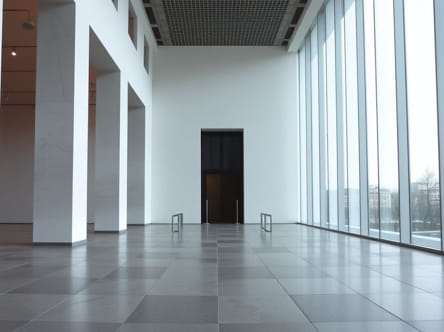
The architectural layout of the Reina Sofia Museum is a blend of history and modernity. The original Sabatini building retains its classical elegance, while the Jean Nouvel extension adds a bold, contemporary flair. The new building includes a large library, a bookshop, auditorium spaces, and rooftop terraces that offer panoramic views of Madrid.
Visitors often begin their journey in the central courtyard before exploring the various galleries spread across several floors. Clear signage, accessible elevators, and guided tours ensure that both casual visitors and art scholars can navigate the space comfortably. The museum also incorporates multimedia guides and interactive displays to enrich the visitor experience.
Visitor Amenities
- Café and restaurant with outdoor seating
- Gift shop with art books, prints, and souvenirs
- Audio guides in multiple languages
- Library and research center specializing in contemporary art
- Free admission during select hours
Educational and Cultural Programs
The Reina Sofia Museum is not only a repository of art but also a center for education and cultural engagement. It offers workshops, lectures, film screenings, and academic conferences that foster critical thinking and public participation. School groups, families, and art students benefit from specially designed programs that connect artistic practice with historical understanding and contemporary issues.
The museum also collaborates with universities, art institutions, and cultural organizations both in Spain and internationally, encouraging interdisciplinary research and curatorial innovation.
Significance and Legacy
The Reina Sofia Museum plays a vital role in preserving Spain’s artistic legacy and promoting cultural dialogue. Through its collections and programs, it provides a comprehensive view of the 20th and 21st centuries from a uniquely Spanish perspective while maintaining a strong international outlook. It also acts as a forum for critical discussion, addressing the intersections between art, politics, identity, and society.
By housing artworks likeGuernicaand championing both historical and experimental art, the Reina Sofia remains a space where memory, resistance, creativity, and transformation converge. Its impact extends far beyond its walls, influencing artists, thinkers, and audiences around the world.
A Cultural Beacon in Madrid
The Reina Sofia Museum is much more than a gallery it is a dynamic cultural institution that reflects the evolution of modern Spanish art and its dialogue with global movements. From Picasso’s haunting anti-war masterpiece to avant-garde installations and contemporary provocations, the museum offers a space for reflection, discovery, and inspiration.
For anyone visiting Madrid, a trip to the Reina Sofia is essential. It is a place where history and modernity intersect, where art speaks boldly, and where creativity continues to shape the cultural narrative of Spain and the world.