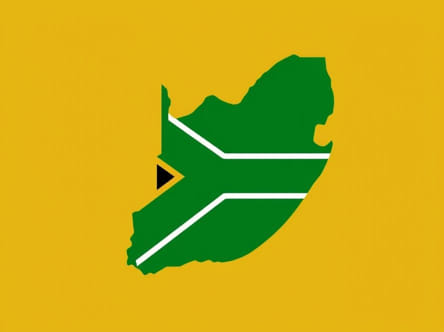
Following the dismantling of apartheid in the early 1990s, South Africa entered a new era marked by hopes of reconciliation, equality, and democratic governance. The transition was not just a political shift but also a profound transformation of society, laws, and institutions. While the first democratic election in 1994 brought Nelson Mandela and the African National Congress (ANC) to power, the post-apartheid period continues to shape South Africa’s journey in confronting its past while striving toward a more inclusive and equitable future.
Political Transition and Democratic Foundations
The End of Apartheid
The apartheid system, which legally enforced racial segregation and white minority rule, officially ended with the 1994 democratic elections. These elections marked the first time all South Africans, regardless of race, were allowed to vote. Nelson Mandela, after spending 27 years in prison, became the country’s first black president, symbolizing a new chapter in South African politics.
Establishment of a New Constitution
Post-apartheid South Africa adopted one of the most progressive constitutions in the world in 1996. This constitution enshrines human rights, equality, freedom of speech, and protections for minorities. It also established independent institutions such as the Constitutional Court, which plays a crucial role in upholding democratic values.
Social and Economic Transformation
Truth and Reconciliation Commission (TRC)
One of the hallmark initiatives of post-apartheid South Africa was the creation of the Truth and Reconciliation Commission, chaired by Archbishop Desmond Tutu. The TRC was tasked with uncovering the truth about human rights violations during apartheid. Although it offered amnesty to those who confessed, its primary goal was national healing and the establishment of a collective memory of injustice.
Black Economic Empowerment
To address the vast economic disparities caused by apartheid, the government introduced Black Economic Empowerment (BEE) policies. These aimed to increase black participation in the economy through business ownership, education, and employment. While the intention was to redistribute opportunities, BEE has faced criticism for benefiting a small elite rather than broadening economic inclusion.
Education and Housing Reforms
Post-apartheid governments have focused on improving access to education and housing. Efforts include building more schools in disadvantaged areas and expanding public housing programs. Despite significant investment, challenges remain in terms of quality, infrastructure, and delivery.
Challenges of the Post-Apartheid Period
Persistent Inequality
One of the most enduring challenges is economic inequality. South Africa remains one of the most unequal societies globally. While a black middle class has emerged, millions still live in poverty, particularly in rural areas and former townships. Wealth and land remain disproportionately in the hands of a white minority.
Unemployment and Economic Struggles
Unemployment continues to be a pressing issue, with youth unemployment rates especially high. Many young South Africans face limited job prospects despite improved access to education. The economy has also struggled with slow growth, public debt, and issues related to corruption and governance.
Crime and Security
Crime rates in South Africa remain high. Post-apartheid policing reforms aimed to transform the police from an oppressive force into a public service institution. However, crime, especially violent crime, continues to affect daily life. Community trust in law enforcement remains uneven.
Corruption and Governance
Corruption has undermined public trust in political leadership. High-profile scandals, particularly during the presidency of Jacob Zuma, damaged institutional integrity. Efforts are ongoing to restore transparency and accountability, with current leadership taking steps toward reform.
Identity and National Unity
Building a Rainbow Nation
Nelson Mandela’s vision of a Rainbow Nation aimed to foster unity among South Africa’s diverse racial and cultural groups. While symbolic progress has been made in promoting multiculturalism, racial tensions and divisions remain a part of the national discourse.
Language and Cultural Representation
The post-apartheid government recognized eleven official languages, reflecting the country’s cultural richness. Efforts have been made to promote indigenous languages and honor various cultural identities in education and media.
International Relations and Global Role
Reintegration into the Global Community
Post-apartheid South Africa rejoined the international community with renewed legitimacy. The country became an active member of the United Nations, African Union, and other global institutions. Its peaceful transition earned praise and support from many nations.
Regional Influence
South Africa plays a significant role in regional politics, particularly within the Southern African Development Community (SADC). It has contributed to peacekeeping missions and economic partnerships across the continent.
Achievements and Areas for Growth
Achievements Since 1994
- Peaceful democratic transition after decades of authoritarian rule
- A progressive constitution protecting civil liberties
- Increased access to education and healthcare
- Growth of a black middle class and entrepreneurial sector
- Improved infrastructure and public services in many areas
Remaining Challenges
- High levels of inequality and poverty
- Youth unemployment and skills gaps
- Land reform and equitable economic development
- Strengthening institutions to combat corruption
- National reconciliation beyond symbolic unity
Looking Ahead
The Path Toward Inclusive Growth
South Africa’s future depends on its ability to create inclusive economic policies that benefit all citizens. Investment in education, technology, and infrastructure will be essential. Empowering youth and addressing systemic barriers to opportunity are key priorities.
Strengthening Democracy and Civic Participation
A vibrant civil society and free press continue to be pillars of South Africa’s democracy. Encouraging active civic engagement and transparent governance will help rebuild public trust and strengthen democratic institutions.
Continued Role on the Global Stage
South Africa’s legacy as a model for peaceful political transition gives it a unique voice in global human rights discussions. By promoting justice and inclusive development, the country can continue to shape discourse beyond its borders.
South Africa’s post-apartheid era is a story of progress mixed with ongoing struggle. The dismantling of apartheid was a monumental achievement, but the work of building a just, inclusive, and prosperous society continues. While many obstacles remain, the resilience of the South African people and the strength of its democratic institutions offer hope for a brighter future.