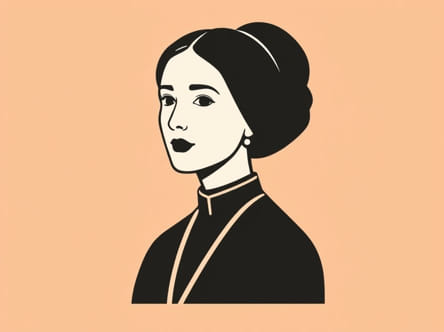
Emmeline Pankhurst is widely recognized as one of the most influential leaders of the women’s suffrage movement in the United Kingdom. Born in 1858, she dedicated her life to campaigning for women’s right to vote and social equality. Through her leadership, determination, and unwavering courage, Pankhurst became a symbol of female empowerment and political activism during a time when women’s voices were largely silenced. Her legacy continues to inspire movements for gender equality around the world today.
Early Life and Influences
Emmeline Pankhurst was born Emmeline Goulden on July 15, 1858, in Manchester, England. She grew up in a politically active family; her parents encouraged her to engage with social issues from a young age. Influenced by the abolitionist and reform movements of the 19th century, she developed a strong sense of justice and a desire to fight for equal rights. Her early education included exposure to political ideas, which laid the foundation for her future activism.
Marriage and Personal Life
In 1879, Emmeline married Richard Pankhurst, a barrister and supporter of women’s rights. Together, they raised several children and shared a commitment to social reform. Richard’s legal work and Emmeline’s activism complemented each other, strengthening her resolve to focus on women’s suffrage as a key goal. Their family life was intertwined with political discussions and activism, shaping Emmeline’s role as a leader.
The Birth of the Women’s Social and Political Union (WSPU)
In 1903, Emmeline Pankhurst founded the Women’s Social and Political Union (WSPU), which became the most militant and well-known organization campaigning for women’s voting rights in Britain. The WSPU’s motto, Deeds, not words, reflected their commitment to direct action and public demonstrations. Unlike earlier suffrage groups, the WSPU embraced confrontational tactics, such as protests, hunger strikes, and civil disobedience, to draw attention to their cause.
Militant Activism and Public Response
The Pankhursts and their followers faced significant opposition from the government and society. Emmeline and her daughters, especially Christabel and Sylvia Pankhurst, were frequently arrested for their participation in protests and acts of civil disobedience. Hunger strikes in prison became a common form of protest, leading to force-feeding by authorities, which sparked public outrage and increased support for the suffrage movement.
Key Events and Campaigns
- 1908 Hyde Park Rally: One of the largest suffrage demonstrations, drawing hundreds of thousands of supporters and marking a turning point in public awareness.
- Window-Smashing Campaigns: Targeted destruction of government property aimed at pressuring officials to grant voting rights.
- Hunger Strikes: Imprisoned suffragettes refused food to protest their treatment and demand recognition as political prisoners.
Government Opposition
The government’s harsh response included imprisonment, force-feeding, and the controversial Cat and Mouse Act, which allowed the temporary release and re-arrest of hunger-striking prisoners. These measures, however, only strengthened public sympathy for the suffragettes and increased pressure on political leaders to reform voting laws.
Legacy and Impact
Emmeline Pankhurst’s tireless campaigning contributed significantly to the eventual extension of voting rights to women in the UK. In 1918, the Representation of the People Act granted suffrage to women over 30 who met property qualifications. Later, in 1928, full equal voting rights were achieved, allowing all women over 21 to vote on the same terms as men.
Beyond suffrage, Pankhurst’s work inspired women worldwide to pursue political activism and social reform. She demonstrated the power of organized, determined action and highlighted the importance of women’s voices in shaping society.
Recognition and Memorials
- Statues and plaques commemorating Emmeline Pankhurst stand in various locations in the UK, including London and Manchester.
- Her life and work have been the subject of numerous books, films, and academic studies.
- International Women’s Day celebrations often cite Pankhurst as a pioneering figure in women’s rights.
Challenges and Criticisms
While Emmeline Pankhurst’s militant methods brought attention to women’s suffrage, they also sparked debate within the movement. Some activists preferred more peaceful, gradual approaches, leading to divisions within suffrage organizations. Additionally, Pankhurst’s support for the British war effort during World War I caused tensions with other suffragettes who opposed the war on pacifist grounds.
Emmeline Pankhurst was a remarkable woman whose courage and leadership transformed the fight for women’s suffrage in the UK. Through founding the WSPU and embracing bold, direct action, she challenged social and political barriers that limited women’s rights. Her legacy as a pioneering feminist and activist continues to inspire movements for gender equality worldwide, reminding us of the enduring importance of standing up for justice and inclusion.