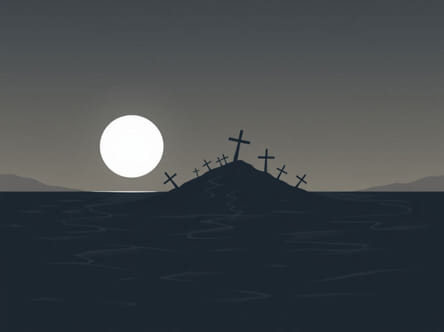
Starting on a desolate island in a doomsday scenario presents a unique and thrilling challenge that tests survival skills, resourcefulness, and mental fortitude. The stark reality of isolation combined with the pressure of a catastrophic event demands a strategic approach to ensure not just survival but also the possibility of thriving in an unforgiving environment. Understanding the essentials from securing basic needs to building shelter and managing threats is critical for anyone facing such a harsh beginning.
Initial Survival Priorities on a Desolate Island
When you first find yourself stranded on a barren island after a doomsday event, the immediate focus should be on addressing the basic necessities: water, food, shelter, and safety. These priorities form the foundation for survival and set the tone for your subsequent actions and planning.
Securing Fresh Water
Water is the most vital resource for survival. Without fresh water, your ability to function will rapidly deteriorate. The first step is to identify any sources of potable water such as streams, rainwater collection points, or underground springs. If natural sources are scarce or non-existent, creating rainwater catchment systems using available materials becomes essential. Purification methods like boiling or using improvised filters can prevent waterborne illnesses that would further complicate survival.
Finding and Procuring Food
Food is the next critical priority. On a desolate island, traditional farming may not be feasible immediately, so foraging and fishing become primary food sources. Identifying edible plants, fruits, and roots is essential, but caution must be exercised to avoid toxic species. Fishing and trapping small animals or birds provide protein, which is necessary for maintaining strength. Crafting simple tools such as fishing spears or traps enhances your ability to gather sustenance efficiently.
Building Shelter and Establishing a Safe Base
A secure shelter offers protection against harsh weather, wildlife, and provides a psychological boost by creating a personal safe space. Utilizing natural resources like wood, leaves, and stones can help construct effective shelters. Choosing a location that offers natural protection such as near rock formations or dense vegetation improves the shelter’s effectiveness.
Designing for Comfort and Defense
While simple at first, your shelter should evolve to provide warmth during cold nights and ventilation during heat. Incorporating features like elevated floors can help avoid dampness and pests. Additionally, positioning the shelter to have clear visibility of the surroundings helps monitor potential threats. Establishing boundaries with makeshift barriers can deter wildlife and unwanted visitors.
Managing Mental and Physical Health
Surviving on a desolate island isn’t only about physical resources; mental resilience plays a vital role. Loneliness, stress, and the constant threat of danger can lead to despair and poor decision-making. Creating routines, setting daily goals, and engaging in simple physical activities help maintain both physical fitness and mental clarity.
Keeping a Positive Mindset
Maintaining hope and motivation is crucial. Celebrating small victories, like successfully catching food or improving shelter, reinforces a sense of achievement. Documenting progress through drawings or notes can provide a mental anchor. If possible, establishing signals for rescue and maintaining hope for eventual contact with civilization helps sustain morale.
Utilizing Natural Resources and Crafting Tools
The desolate island may seem barren, but careful observation often reveals valuable materials. Rocks can be sharpened into cutting tools, vines can be braided into ropes, and shells or bones can serve as fishing hooks. Crafting these tools extends your capabilities and opens new survival avenues.
Essential Tools for Survival
- Cutting Implements: Sharp stones or makeshift knives for preparing food and building.
- Fire Starting Equipment: Using friction methods or flint to create fire for warmth, cooking, and signaling.
- Containers: Shells, hollowed wood, or leaves fashioned to carry water or food.
- Fishing Gear: Spears, nets, or traps to increase food acquisition.
Dealing with Environmental Challenges
Doomsday scenarios often come with harsh environmental conditions such as storms, extreme temperatures, or dangerous wildlife. Preparing for these challenges by monitoring weather patterns and adapting your strategies is essential.
Weather Adaptation Strategies
Understanding seasonal changes and using natural signs to predict weather can help you safeguard your shelter and supplies. Reinforcing shelters before storms, finding shade during intense heat, and layering clothing for cold conditions are basic yet effective measures.
Wildlife Awareness and Safety
Being aware of the local fauna, especially any dangerous species, ensures you avoid unnecessary confrontations. Creating noise deterrents, storing food securely, and using natural repellents can reduce risks. Learning about animal behavior may also provide additional food sources or early warning signs of approaching threats.
Planning for Long-Term Survival and Escape
While immediate survival is the initial concern, planning for long-term sustainability and potential rescue is important. Setting up sustainable food sources, like small gardens or animal traps, reduces reliance on unpredictable foraging. Building signaling devices such as large ground symbols or smoke signals increases chances of being spotted by rescuers.
Developing Sustainable Food Sources
Once initial survival needs are met, experimenting with planting seeds found on the island or creating basic farming plots is a smart move. This transition from scavenging to farming marks a significant milestone in establishing a stable existence on the island.
Creating Effective Signals
- Fire and Smoke Signals: Using green leaves to create dense smoke visible from afar.
- Ground Markings: Large letters or shapes cleared in open areas to attract attention from passing aircraft or satellites.
- Reflective Materials: Using shiny objects to catch light and signal distant observers.
Starting on a desolate island during a doomsday scenario requires more than just luck it demands knowledge, preparation, and resilience. Prioritizing water, food, and shelter while maintaining mental strength sets the foundation for survival. Crafting tools and utilizing natural resources expand your capabilities, while adapting to environmental challenges ensures safety. Ultimately, planning for the long term and signaling for rescue keeps hope alive. With determination and strategy, surviving and even thriving on a desolate island is possible.