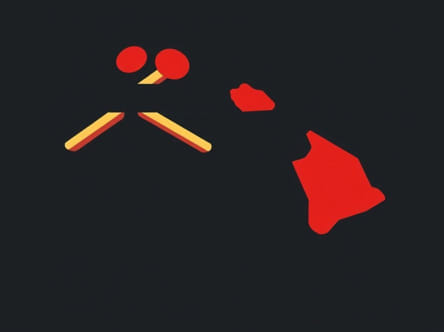
The annexation of Hawaii in 1898 was one of the most debated events in United States history. It signified a major expansion of American territory and influence, but also sparked significant controversy due to the overthrow of the Hawaiian monarchy. Many prominent figures of the time expressed their views both in favor of and against the annexation. Their words have become a powerful window into the motivations, politics, and emotions surrounding this historic event. By examining these quotes from the annexation of Hawaii, we gain insight into how this act was justified, opposed, and remembered.
Historical Background
Hawaii Before Annexation
Prior to annexation, Hawaii was a sovereign nation ruled by monarchs, most notably Queen Liliʻuokalani. The islands were strategically important due to their location in the Pacific and attracted interest from foreign powers, particularly the United States. American sugar planters and businessmen had gained considerable influence in the Hawaiian economy and politics.
The Overthrow and American Interests
In 1893, a group of American and European businessmen, with the support of the U.S. military, overthrew Queen Liliʻuokalani. A provisional government was established, leading to a push for annexation. While some U.S. leaders viewed this as a strategic and economic opportunity, others saw it as imperial overreach.
Quotes from Supporters of Annexation
President William McKinley
President McKinley played a key role in Hawaii’s annexation. He believed it would benefit the U.S. economically and militarily. One of his notable quotes was:
We need Hawaii just as much and a good deal more than we did California. It is manifest destiny.
This quote reflects the idea that expansion was inevitable and divinely ordained. McKinley’s belief in Manifest Destiny echoed the sentiments of many Americans during that period.
Senator Henry Cabot Lodge
Lodge, a strong advocate for American imperialism, supported the annexation of Hawaii as a strategic move.
Annexation of Hawaii is not only a commercial necessity; it is also a naval necessity.
This emphasized the value of Hawaii as a military outpost in the Pacific, particularly with rising tensions with other global powers.
Sanford B. Dole
Dole led the provisional government after the overthrow of Queen Liliʻuokalani and later became the first governor of the Territory of Hawaii. He stated:
Hawaii is an outpost of American civilization.
Dole framed annexation as bringing American ideals to the islands, though this sentiment was often used to justify imperial control over non-European peoples.
Quotes from Opponents of Annexation
Queen Liliʻuokalani
The deposed monarch, Queen Liliʻuokalani, voiced her opposition to the overthrow and annexation in heartfelt and dignified terms:
I yield to the superior force of the United States of America to avoid any collision of armed forces, and perhaps the loss of life.
Her words reflect both her resistance and her hope to protect her people from violence. She consistently advocated for the restoration of Hawaiian sovereignty.
Senator George Hoar
Senator Hoar of Massachusetts was one of the most vocal critics of American imperialism and the annexation of Hawaii:
The proposed annexation of Hawaii is not only without constitutional authority it is a violation of the principles on which the Republic was founded.
Hoar believed the U.S. was betraying its foundational ideals by subjugating a foreign people without their consent.
Native Hawaiian Petitions
In 1897, more than 21,000 Native Hawaiians signed petitions against annexation. One of the statements accompanying the petitions read:
We do not want annexation we do not want our country to become a part of the United States.
This quote, although collective, is a powerful declaration of national identity and opposition to foreign rule.
Debates and Newspaper Opinions
New York Times Editorials
American newspapers played a major role in shaping public opinion. Some supported annexation as a necessary step in national growth. An editorial from the New York Times read:
The United States cannot afford to let any other power seize Hawaii.
This reflected fear that European powers might gain a foothold in the Pacific if the U.S. did not act.
The Hawaiian Gazette
Pro-annexation newspapers in Hawaii, such as the Hawaiian Gazette, argued in favor of joining the U.S.:
Hawaiians will prosper under the stars and stripes.
These newspapers were often aligned with American business interests and did not reflect the views of native Hawaiians.
Aftermath and Legacy
The Newlands Resolution
In 1898, Congress passed the Newlands Resolution, which officially annexed Hawaii. No treaty was ratified, and Native Hawaiians were not given a vote. As President McKinley signed the resolution, his administration celebrated the move as progress, but others viewed it as a betrayal.
Long-Term Effects
Today, the annexation remains a deeply emotional and controversial subject, particularly among Native Hawaiians. Many still refer to the event as an illegal occupation. The words spoken during this era continue to be quoted in modern debates about Hawaiian sovereignty, cultural identity, and the legacy of imperialism.
Quotes from the annexation of Hawaii reveal a complex and contested history. While some Americans celebrated the act as a triumph of progress and destiny, others mourned the loss of Hawaiian independence. The voices of Hawaiian leaders, U.S. politicians, and the general public at the time offer a wide range of perspectives that still resonate today. By remembering and reflecting on these quotes, we not only understand what happened but also why it still matters. The annexation was not just a political decision it was a defining moment that continues to shape Hawaii’s identity and its relationship with the United States.